
Anti-Dynasty Bill Clears House Hurdle: Family Rule Ban Moves Closer
The House approved House Bill 8389 on second reading, moving an anti-political dynasty proposal closer while critics warn it may still leave loopholes.
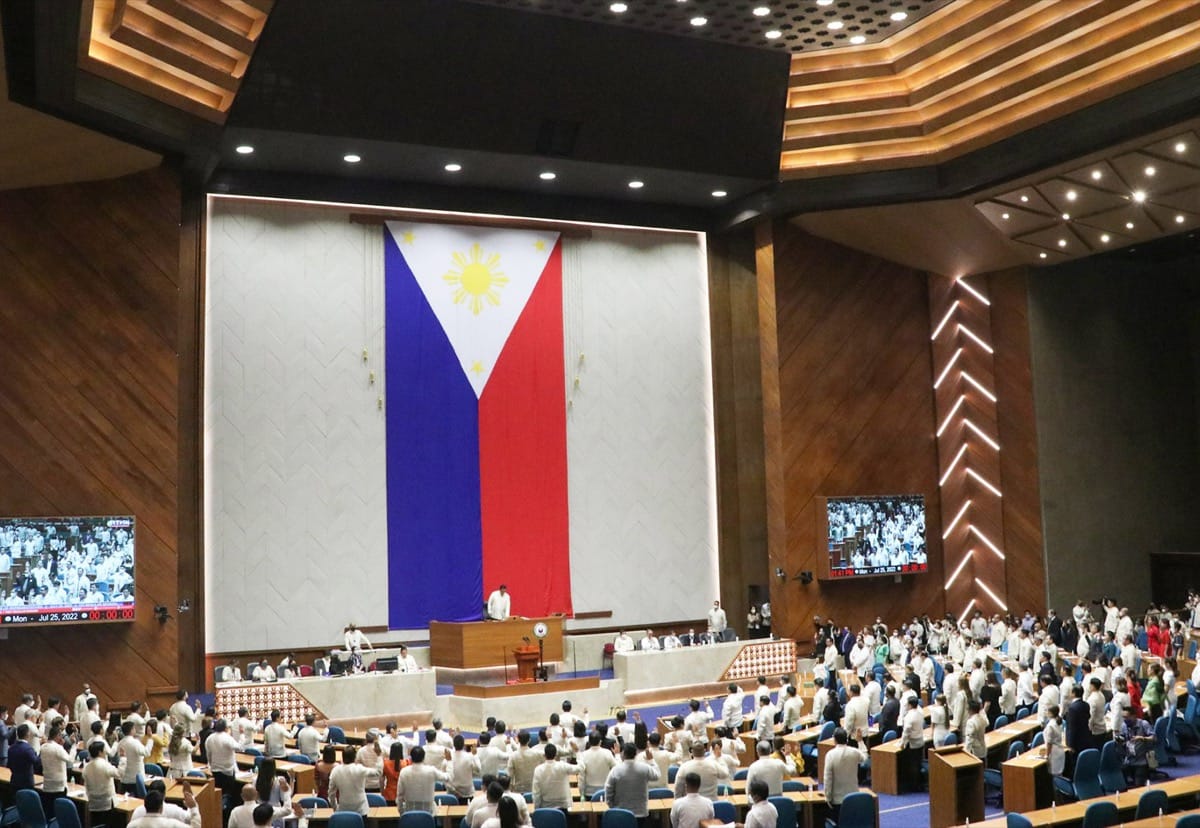
A long-debated anti-political dynasty bill has moved one step closer in the House of Representatives after lawmakers approved House Bill 8389 on second reading. The measure is drawing attention because it targets a problem many voters search and argue about every election season: family members occupying power in the same place at the same time.
Under the bill, relatives up to the second degree of consanguinity or affinity would be barred from running for or holding posts in the same constituency or jurisdiction at the same time. During plenary debates, Lanao del Sur Rep. Zia Alonto Adiong said the proposal would stop situations where a husband and wife, a parent and child, or similar close relatives govern the same area together.
The measure was approved by voice vote and lists Speaker Faustino “Bojie” Dy III and House Majority Leader Sandro Marcos among its principal authors. GMA News reported that more than 170 other House members are co-authors, while the bill is also listed as a priority measure by the Legislative-Executive Development Advisory Council and President Ferdinand “Bongbong” Marcos Jr.
The proposal still faces debate over whether it is strong enough. Akbayan Rep. Perci Cendaña warned that the House version may leave gaps because relatives beyond the second degree, such as uncles or cousins, would not be covered. He compared the possible setup to a “family group chat” or family reunion, arguing that entrenched clans could still hold several elective posts.
Adiong said the bill tries to balance voters’ right to choose with the Constitution’s call to prohibit political dynasties as defined by law. He also cited Comelec’s position that limiting coverage to the second degree could make enforcement more realistic, given the poll body’s resources. Source: GMA News Online