Wake-Up Call: Iran Crisis Exposes Philippines' Dangerous Over-Reliance on Middle East Oil and Trade Routes
The Iran crisis isn't just about bombs and missiles — it's a stark reminder that the Philippines is dangerously dependent on Middle Eastern oil and trade routes that can be choked off overnight. Analysts are now calling for urgent diversification of energy sources and trading partners.
Philippine Institute for Development Studies (PIDS) senior fellow John Paolo Rivera warned that any escalation disrupting Middle East supply could push oil prices higher, increasing the country's import bill, widening the trade deficit, and adding inflation pressure. 'This development underscores the importance of trade diversification and energy resilience,' he said.
The Foreign Buyers Association of the Philippines (FOBAP) is already feeling the heat. President Robert Young said some members' raw material suppliers come from Turkey, India, and Pakistan — countries in or near the conflict zone. 'We are expecting delays or cancellation of shipments due to potential embargoes,' he warned.
The Philippines' trade-in-goods deficit narrowed 17.8% year-on-year to $4.05 billion in January, but has been in deficit for over a decade. University of Asia and the Pacific professor George Manzano noted that while the Philippines doesn't trade much directly with Iran, the heightened uncertainty could hurt foreign investment flows and shipping movements.
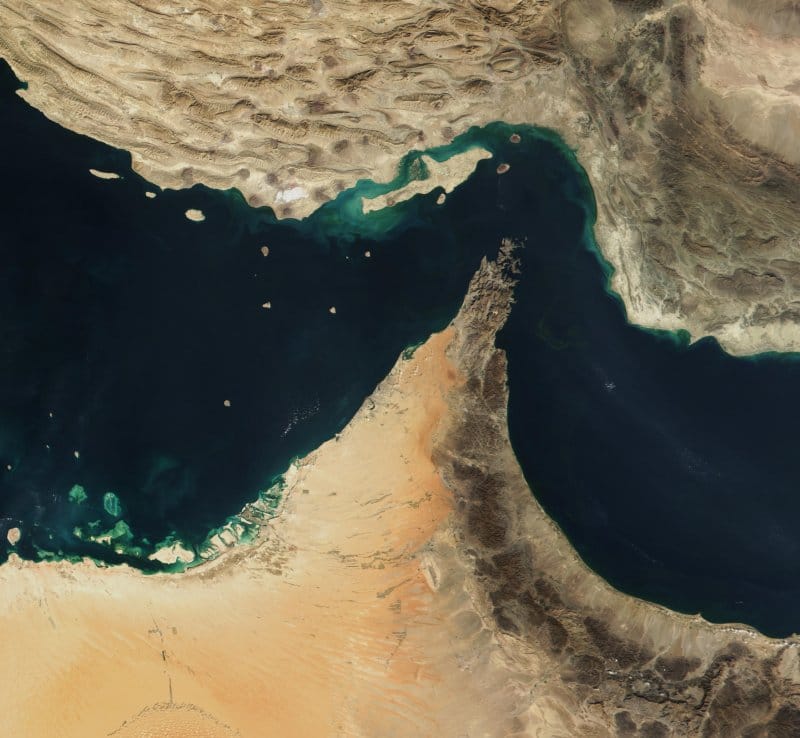
The bottom line: the crisis is a wake-up call for the Philippines to reduce its dependency on a single region for its energy needs. With the Strait of Hormuz — through which 20% of global oil flows — now a danger zone, the urgency of finding alternative energy sources and trade partners has never been clearer.
Source: BusinessWorld