
Galing UP: Pinoy Scientists Build AI-Powered Hearing Test Device for Newborns — And It's 8x Cheaper
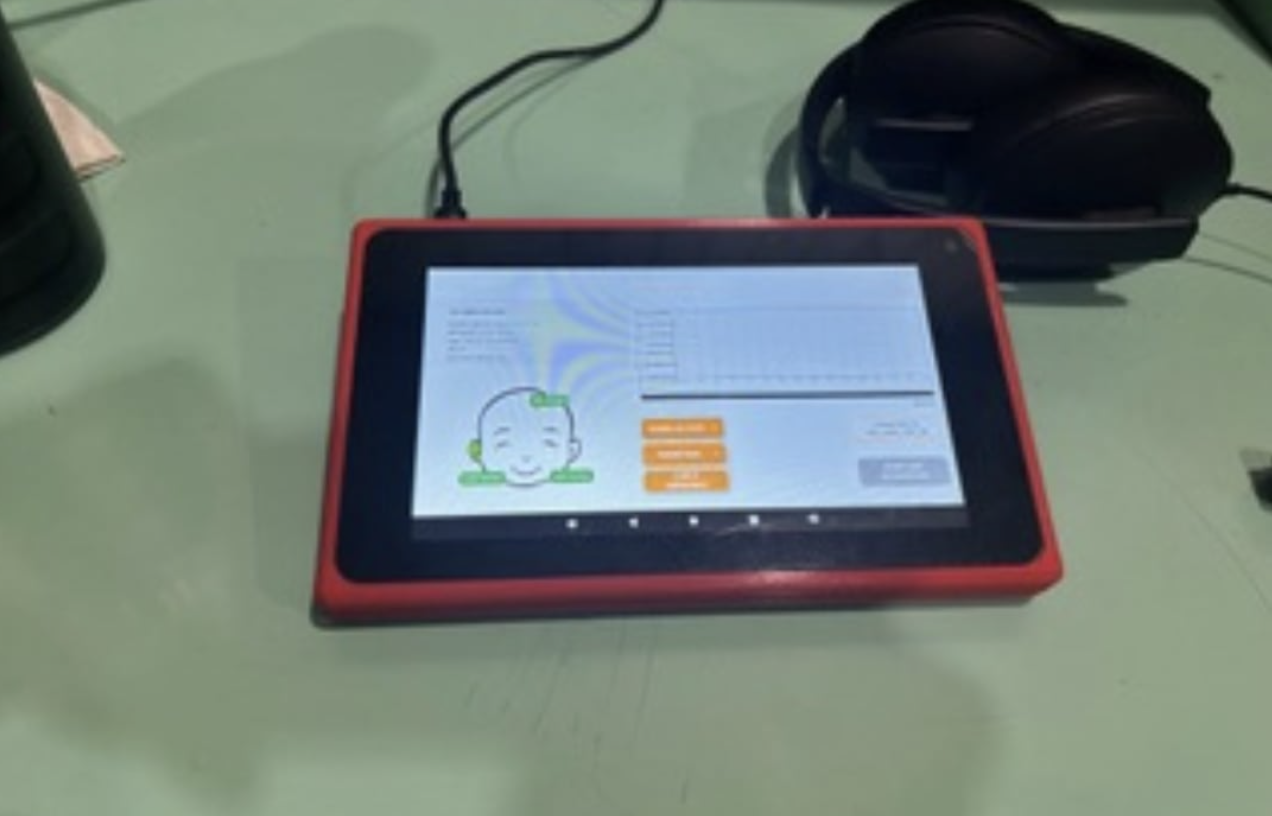
Here's something to be genuinely proud of: researchers from the University of the Philippines Manila have built the country's first locally manufactured AI-powered device that can detect hearing loss in newborns. It's called HeLe — short for Hearing for Life — and it could be a total game-changer for Filipino babies, especially sa mga probinsya.
The device uses Automated Auditory Brainstem Response (AABR) technology. Over-the-ear headphones deliver sound to the infant, while electrodes on the baby's head track nerve impulses traveling from the cochlea to the brainstem. Machine learning then analyzes those tracings in real time and delivers an immediate "pass" or "refer" result. No audiologist needed on-site — a huge advantage for rural areas where specialists are practically nonexistent.
Here's the kicker: imported AABR devices cost up to ₱1.2 million. HeLe? Only ₱150,000. That's roughly eight times cheaper, making it accessible to hospitals and clinics across the country that previously couldn't afford one. The device runs on a wireless module, headphones, and a display console with an Android app — simple but effective.
The stakes are high. According to UP Manila's Newborn Hearing Screening Reference Center, over 90% of hearing-impaired infants in the Philippines remain undiagnosed, missing the critical window for early intervention. Untreated hearing loss can cost families up to ₱5.8 million in specialized care over a lifetime. Early detection literally saves lives and livelihoods.
What makes HeLe extra special is its patented algorithm, trained on Filipino auditory waveforms and calibrated specifically for the neuro-auditory signatures of Filipino babies. It can even detect auditory neuropathy — a complex condition that traditional tests often miss. Hindi lang mura, mas accurate pa.
Source: GMA News