PAGASA Warning: El Niño Could Hit by Mid-2026 — And the Worst-Case Scenario Is Scary
PAGASA is sounding the alarm: there's a 50 percent chance that El Niño could develop between July and September this year, and if it lines up with the Southwest Monsoon (habagat), the Philippines could be in for a rough ride. Climate Monitoring and Prediction Section Chief Ana Liza Solis made the warning on Tuesday, March 4.
Solis pointed to two comparable years in Philippine weather history — 2009 to 2010 and 2014 to 2015. In 2010, tropical storm Ondoy hammered Metro Manila in September. In 2014 to 2015, typhoon Glenda caused widespread destruction across the Bicol Region, Southern Luzon, and the capital. "We just hope it will not happen again," Solis said. "But that's the risk if El Niño aligns with the peak of the Southwest Monsoon."
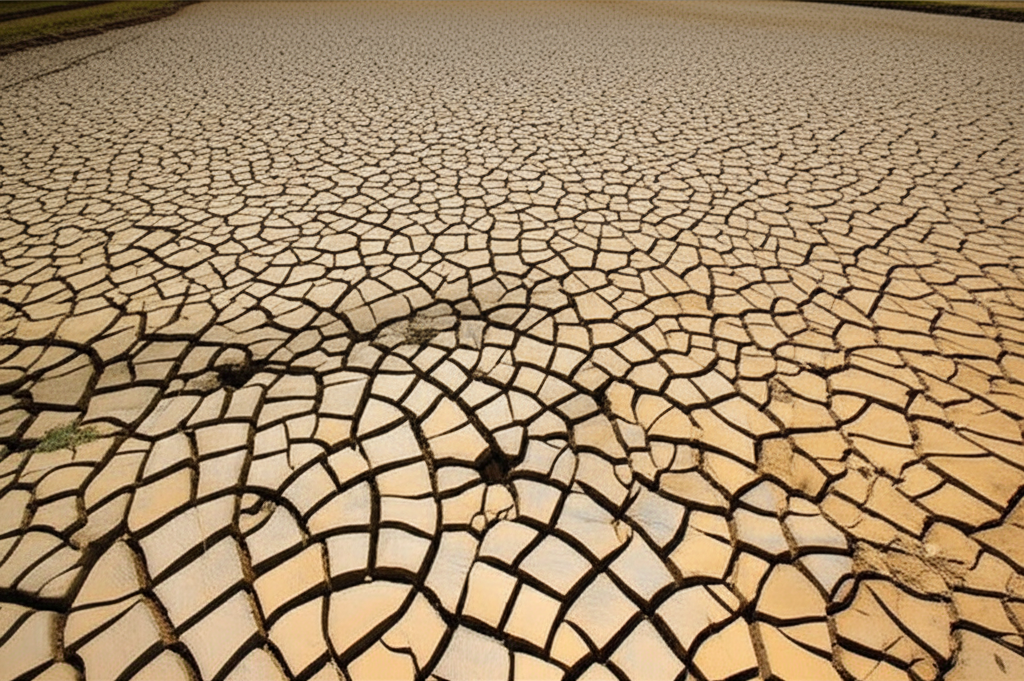
The danger doesn't stop there. PAGASA is also monitoring the possibility that El Niño could intensify drought conditions starting in December, potentially dragging through the entire dry season into 2027. That means hotter temperatures, tighter water supply, and a harder hit for agriculture — especially rice farming.
"This could affect the high temperatures we may experience during the next warm and dry season in 2027, so we really have to monitor closely," Solis warned. International forecasters from NOAA have also weighed in, putting the chances of El Niño developing between July and September at 50 to 60 percent.
Habang maaga pa, PAGASA is urging local governments and the agricultural sector to start preparing now. If El Niño does arrive on schedule, the worst-case scenario could mean below-normal rainfall in Luzon as early as the last quarter of 2026 — spelling trouble for crops, water reservoirs, and everyday Filipinos who depend on stable weather patterns.
Source: Manila Standard