
Oil Tankers Stop Moving Through Strait of Hormuz — Iran Says Waterway Is 'Practically Closed' After US-Israel Strikes
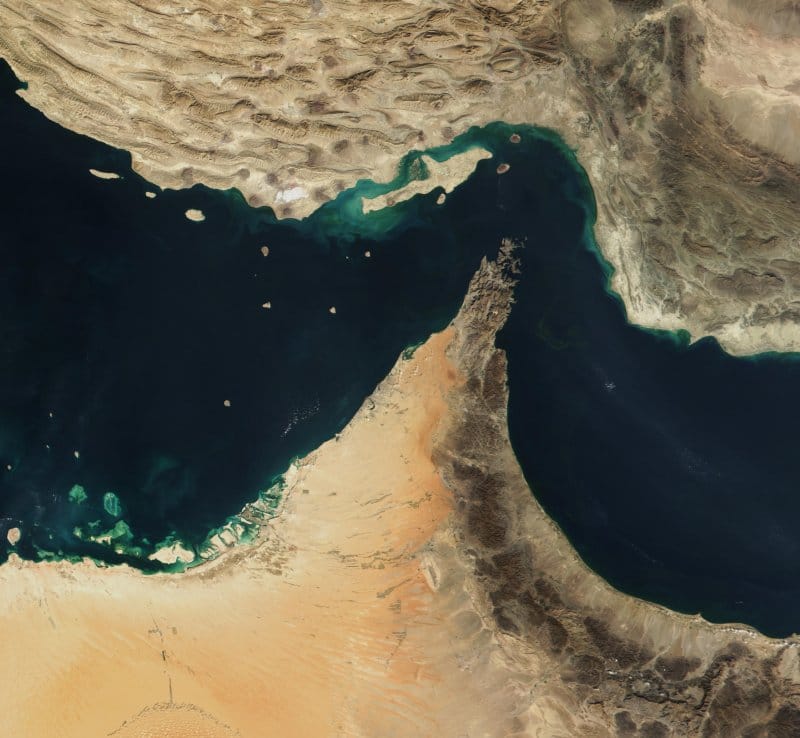
In what could be the most devastating economic fallout of the Iran crisis, oil tankers have largely stopped moving through the Strait of Hormuz — the narrow waterway that carries 20% of the world's oil supply. Iran's Revolutionary Guards broadcast via VHF radio that 'no ship is allowed to pass,' and Iranian media declared the strait 'practically closed.'
Several major oil companies, trading houses, and tanker owners have suspended crude oil, fuel, and liquefied natural gas shipments through Hormuz, Reuters reported citing multiple trading sources. 'Our ships will stay put for several days,' one top executive at a major trading desk said. Satellite images showed vessels backed up next to major ports like Fujairah in the UAE, not moving.
Shipping giant Hapag-Lloyd announced it is suspending all vessel transit through the Strait of Hormuz until further notice, while Greece's shipping ministry advised vessels to avoid the Persian Gulf, Gulf of Oman, and Strait of Hormuz entirely. Even the US Navy warned it could not guarantee the safety of shipping in the area.
The disruption threatens supplies from Saudi Arabia, the UAE, Iraq, Kuwait, and Iran — all of which export oil through Hormuz. Qatar's massive LNG exports are also at risk, with 14 LNG tankers already showing signs of slowing down or U-turning near the strait.
For the Philippines, this is potentially catastrophic. The country imports nearly all of its petroleum, and any extended closure of Hormuz could trigger the biggest oil price spike in decades. When markets open Monday, analysts expect Brent crude — which closed at around $73 — to surge by $5-10 per barrel or more. That means higher gas, diesel, and transport costs for every Filipino.
Source: Reuters / Bloomberg