
1,400+ OFWs Stranded in the Middle East — Airports Closed, Flights Grounded, and Everyone's Panicking
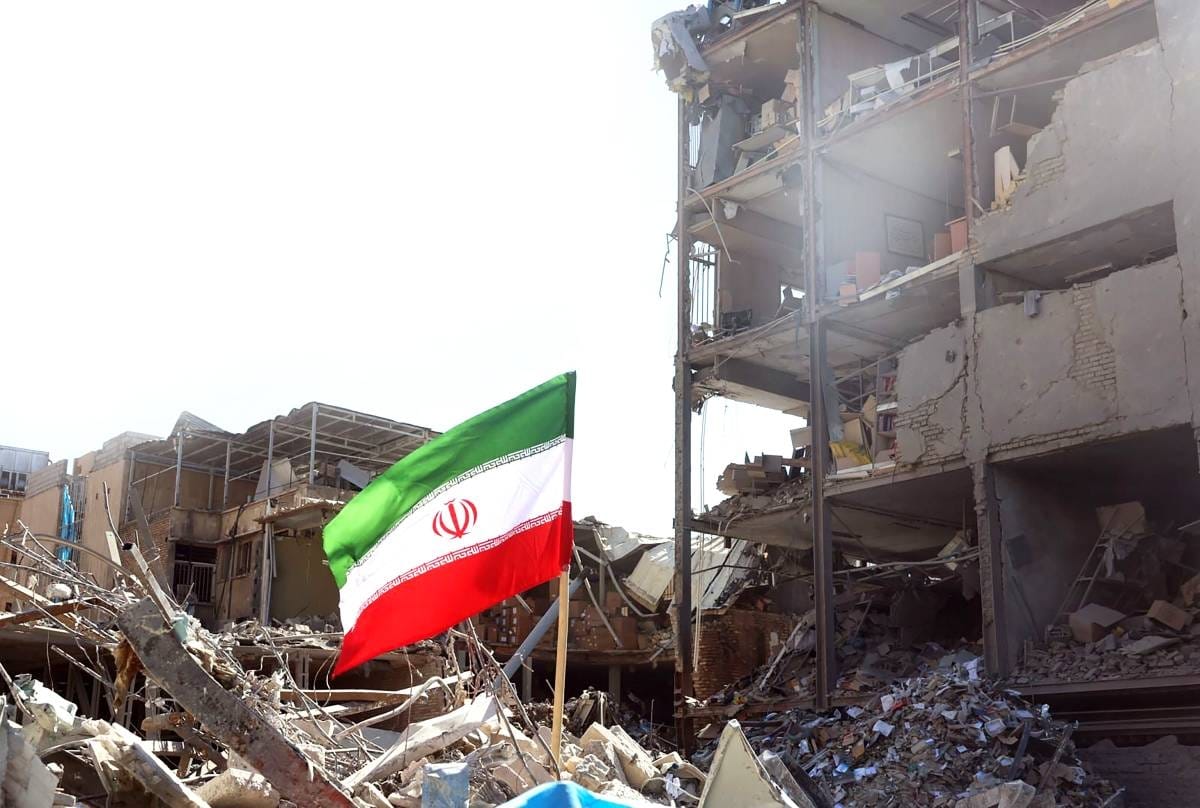
President Ferdinand Marcos Jr. revealed on Tuesday that a total of 1,416 Filipinos have reached out to the government seeking repatriation from multiple countries across the Middle East. The breakdown is staggering — 586 from Dubai, 297 from Israel, 270 from Abu Dhabi, 231 from Bahrain, 22 from Jordan, and 10 from Iran. But getting them out? That's another story entirely.
The problem isn't just logistics — it's survival. Airports across the region have shut down, no-fly zones are in effect, and active combat is making air travel extremely dangerous. "Our assessment is that it's dangerous to fly right now," Marcos said during a press conference. "The airports are closed. They are all no-fly zones. This is a combat area."
Even land routes are off the table. Marcos warned that moving large groups of people by ground risks being mistakenly identified as hostile movement and drawing friendly fire. "If they see that there are a lot of vehicles, maybe they will attack them because they will misidentify it as some hostile movement," the president explained.
The situation is most dire in Israel, where Filipina caregiver Charlot David shared her experience of running to bomb shelters multiple times since the strikes began. The 44-year-old mother of four has been in Israel since 2008 and has lived through "several wars," but this one is different. A fellow Filipina neighbor was killed by a ballistic missile that hit their area months earlier, she told AFP.
Marcos assured OFWs that the government is in constant contact with labor attachés and ambassadors on the ground and will find ways to bring them home safely. For now, his advice: "Stay in a safe place, stay indoors, and stay away from areas of danger." The estimated 2 million OFWs in the region send billions in remittances back home annually — making this crisis not just a humanitarian issue but an economic one for the entire country.
Source: The Manila Times