Mayon Volcano Sends Hot Avalanche of Rocks Cascading Down Its Slopes — Back-to-Back Eruptions With Kanlaon
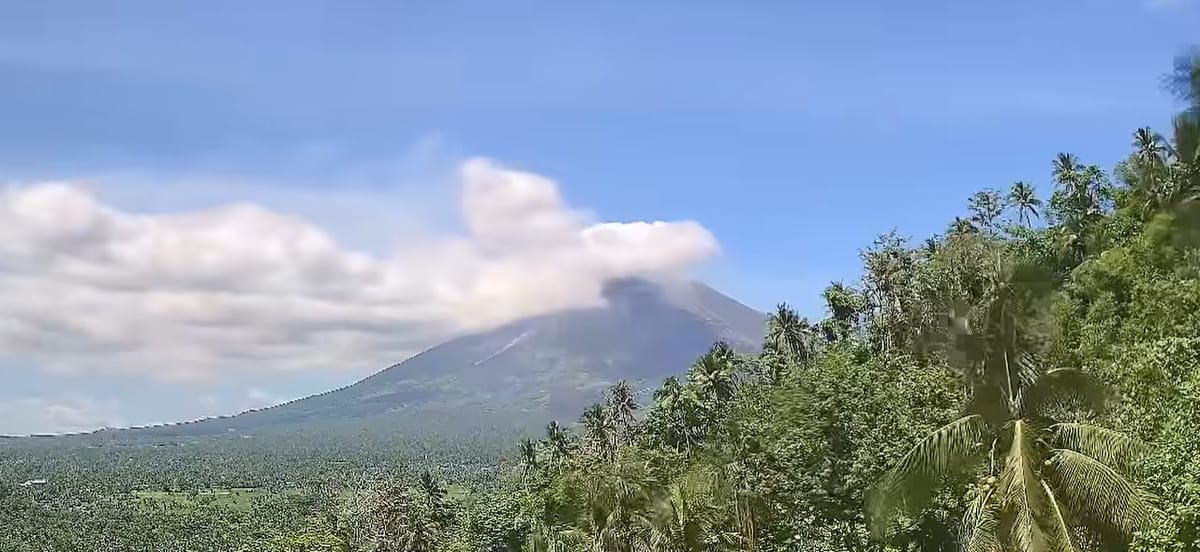
The Philippines is dealing with not one but two restive volcanoes as Mayon Volcano in Albay unleashed lava-collapse pyroclastic density currents on Friday afternoon — one of the most dangerous volcanic hazards known to science. This happened just hours after Kanlaon Volcano erupted explosively in Negros.
PHIVOLCS reported two PDC events at Mayon beginning at 12:40 PM and 2:05 PM on February 27. Both lasted about one minute and generated runouts of approximately 300 meters from a lava front collapse along the Bonga Gully, producing brownish-gray plumes that rose 3,000 meters before drifting southwest.
The volcano remains under Alert Level 3, indicating intensified magmatic unrest. Lava flows have reached 3.8 kilometers in Basud Gully, 2.6 kilometers in Bonga, and 1.3 kilometers in Mi-isi. A total of seven volcanic earthquakes, 344 rockfall events, and 13 PDC signals were recorded in the latest 24-hour observation period.
Sulfur dioxide emissions were measured at a concerning 2,199 tonnes, and ground deformation data shows the volcano's edifice remains inflated — meaning more magma is pushing from below. Authorities have strictly prohibited entry into the six-kilometer permanent danger zone and banned aircraft from flying near the summit.
With both Mayon and Kanlaon showing intensified activity simultaneously, Philippine disaster officials are stretched thin. PHIVOLCS warned that Mayon could generate rockfalls, ballistic fragments, lava fountaining, explosive eruptions, and lahars during heavy rainfall. Residents in surrounding communities have been told to stay vigilant and prepare for possible evacuation.
Source: GMA News