
Mas Mababang Interest Rate Palapit: BSP Set to Slash Rates to 4.25% on Thursday
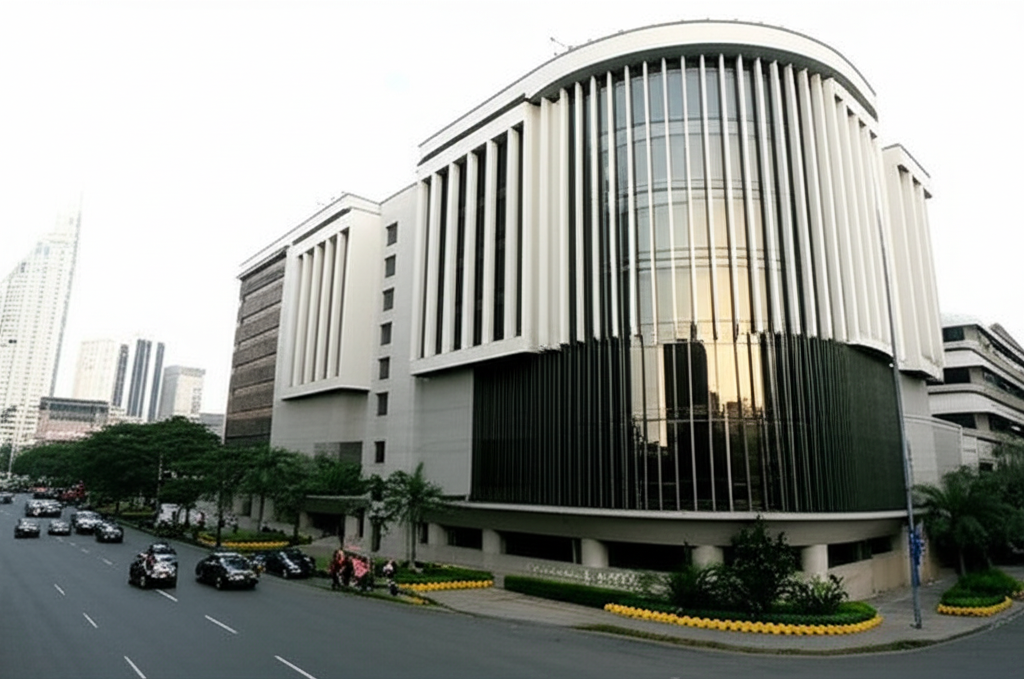
Good news for borrowers — the Bangko Sentral ng Pilipinas (BSP) is widely expected to cut its benchmark interest rate by 25 basis points to 4.25% during its monetary policy meeting on Thursday, February 19. A Reuters poll of 27 economists found that 25 of them forecast the quarter-point reduction, making it one of the most telegraphed rate decisions in recent memory. If it pushes through, the cut would bring the BSP's cumulative easing to a substantial 200 basis points over its current rate-cutting cycle.
The primary driver is economic: the Philippines posted a near five-year low GDP growth rate of just 3.0% in the fourth quarter of 2025 — a sluggish print partly blamed on a corruption scandal tied to government infrastructure projects that rattled consumer and investor confidence. With growth flagging, the BSP has reason to keep monetary conditions supportive. At the same time, inflation remains well-behaved: consumer prices rose 2.0% in January 2026 — the fastest pace in 11 months, but still sitting comfortably at the lower bound of the BSP's 2%-4% target range.
BSP Governor Eli Remolona has been clear that he sees room for further policy easing. In a statement last week, he said the door remains open for additional rate cuts beyond Thursday's expected move — though he has signaled this would be contingent on incoming data. The majority of economists in the Reuters survey expect the 4.25% rate to hold through the rest of 2026, suggesting the central bank may be nearing the end of its easing cycle. Dalawang porsyento na bababa — at malamang, doon na ito titigil.
Analysts, however, caution that the rate cut alone may not be enough to jumpstart growth. ANZ analyst Kausani Basak noted that "weak consumer and domestic confidence will likely restrict the impact of the rate cut." Basak argued that a genuine rebound in the Philippine economy depends less on monetary policy and more on resolving the governance issues that led to the infrastructure spending slowdown — followed by a meaningful pickup in public capital expenditure. In other words, cheaper borrowing costs are helpful, pero ang mas malaking problema ay naghihintay ng solusyon sa labas ng BSP.
For ordinary Filipinos, a lower benchmark rate typically translates — with some lag — into cheaper loans: lower mortgage rates, reduced credit card interest, and more affordable business financing. Banks don't always pass on rate cuts immediately or in full, but the trend toward easier monetary conditions is a net positive for those carrying debt or looking to borrow. With the Philippine economy needing a confidence boost heading into the latter half of 2026, Thursday's BSP decision will be one of the most closely watched economic events of the quarter. Source: Reuters, Bangko Sentral ng Pilipinas, Inquirer Business, Manila Times