
Marcos Orders Gov't Offices to Cut Energy Use as Middle East War Sends Fuel Prices Soaring
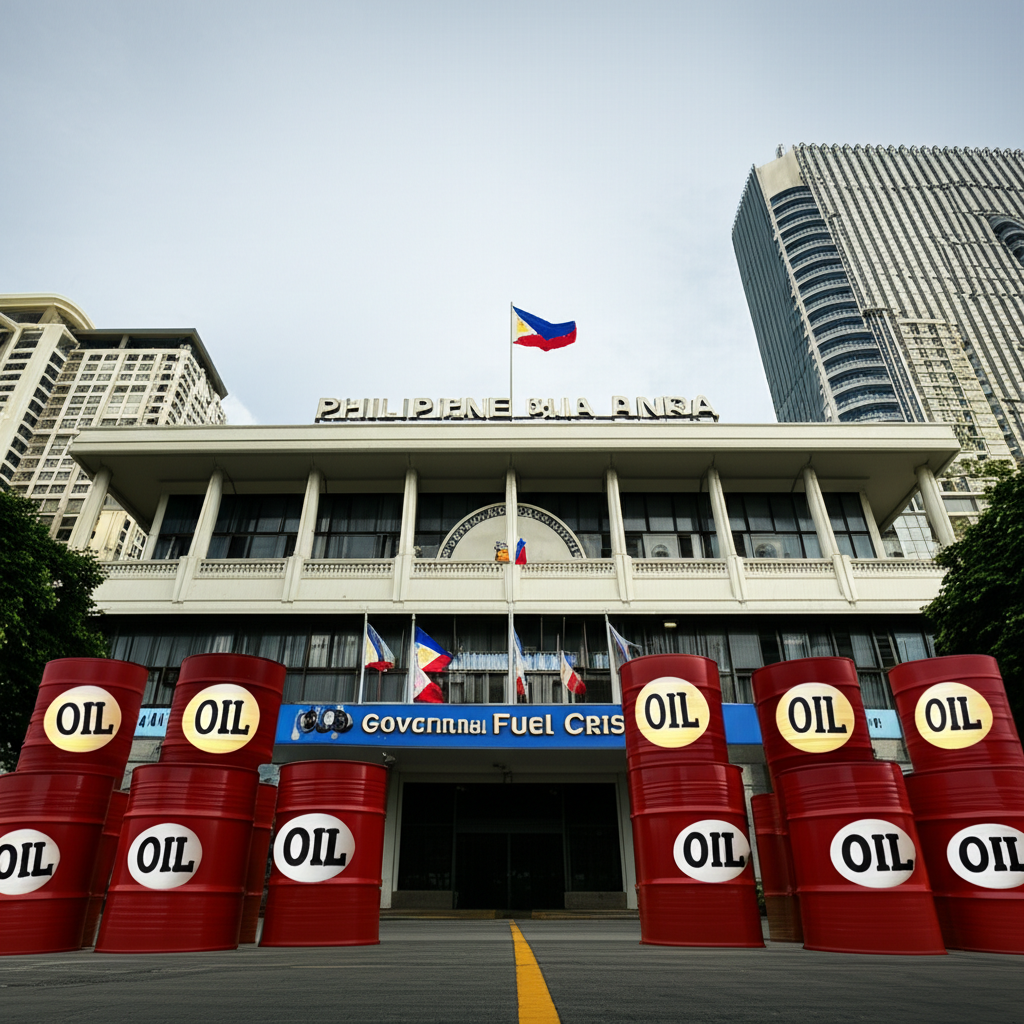
The Philippine government is going into full conservation mode as the escalating conflict in the Middle East drives global oil prices through the roof. President Ferdinand Marcos Jr. has ordered all national government agencies, state universities, and local government units to slash their fuel consumption by at least 10% — effective immediately.
Among the most notable directives: government offices must set air conditioning units no lower than 24 degrees Celsius, adopt flexible work arrangements, and minimize official travel. A four-day workweek for government employees is also being seriously considered, especially if the crisis worsens further. A senator had earlier floated the idea, along with expanded work-from-home setups to reduce fuel demand.
The Philippines is especially vulnerable because it imports nearly all its oil, with roughly 90% coming from the Gulf region. Unlike countries such as India and Thailand, the country has limited fuel subsidies in place, making ordinary Filipinos feel the price hikes more directly. Inflation already hit a 13-month high of 2.4% in February, and economists warn it could climb higher.
Meanwhile, over a million OFWs remain in the Middle East, with more than 1,000 stranded as airports in the conflict zone stay shut. Marcos has told Filipinos in affected areas to "shelter in place" for now, saying repatriation by air or land is simply too dangerous. The government has set up hotlines and deployed rapid response teams, but a safe window for evacuation has yet to open.
The energy crunch isn't just a Philippine problem — Thailand, Myanmar, and other Southeast Asian nations are also scrambling to conserve fuel. Myanmar's military junta has even banned half of all private vehicles from roads based on odd-even plate numbers. For the Philippines, Marcos says targeted fuel subsidies for transport and agriculture are being prepared, and Congress may be asked to cut excise taxes on petroleum if crude prices keep climbing.
Source: The Guardian | Rappler