Inflation Expected to Creep Up in February — Economists Point to Rising Fuel, Rice, and Electricity Costs
Philippine inflation likely accelerated in February from January's 2.0% print, with economists surveyed by Manila Standard forecasting it will settle between 2.3% and 3.1% — still within the BSP's target range but notably higher. The official figures will be released this week by the Philippine Statistics Authority.
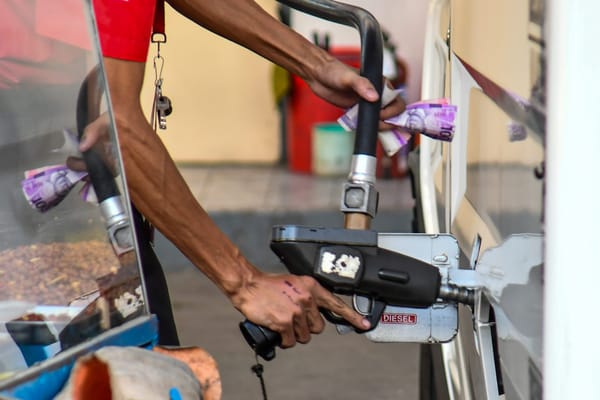
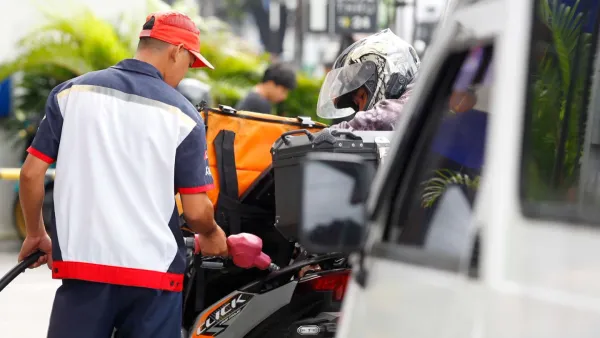
The main culprits? Rising fuel prices (nine consecutive weeks of diesel hikes), higher electricity costs from generation charge adjustments, and weather-related pressures on food items like fish, meat, and vegetables. It's a familiar cocktail of cost-push factors that Filipino consumers know all too well.
Philippine Institute for Development Studies senior fellow John Paolo Rivera expects inflation between 2.0% and 2.4%, noting that 'subdued domestic demand and easing rice prices should prevent a sharp acceleration.' Union Bank chief economist Ruben Carlo Asuncion pegs it at around 2.2%, citing tighter food supply in some markets.
Jonathan Ravelas of Reyes Tacandong anticipates 2.4%, flagging the 'steady creep in oil prices' as a persistent threat. 'Even small increases can pass through quickly, especially with peso effects,' he warned. The Middle East conflict — and its impact on global oil markets — adds a dangerous wildcard to the inflation outlook.
If February inflation comes in above 2.5%, it would mark the fastest pace in over a year. The BSP cut its key policy rate twice since December to stimulate growth, but rising inflation could complicate further easing. For ordinary Filipinos, the numbers mean one thing: groceries, gas, and electricity bills are getting more expensive.
Source: Manila Standard