House Panel Greenlights Emergency Powers for Marcos to Slash Fuel Excise Taxes
In a move that could bring much-needed relief to motorists reeling from weeks of brutal pump price hikes, the House Committee on Ways and Means has approved a substitute bill granting President Bongbong Marcos the authority to suspend or reduce excise taxes on petroleum products. The committee consolidated 15 similar bills during its Tuesday hearing after consulting government agencies and oil companies.
Committee chair Rep. Miro Quimbo of Marikina's 2nd District said the measure is urgently needed to address the negative impact of skyrocketing fuel costs as global oil markets remain volatile due to the Middle East conflict. The proposed bill would amend Section 148 of the National Internal Revenue Code, giving the president power to suspend or cut fuel excise taxes when the average Dubai crude oil price hits or exceeds $80 per barrel for at least one month, or when a state of emergency or calamity causes pump prices to surge.
If Marcos pulls the trigger, the suspension could apply to specific petroleum products or serve as a blanket suspension across the board. It could also be a partial reduction instead of a full suspension. The measure limits the duration to six months, extendable up to one calendar year through a congressional joint resolution. The authority itself would expire on December 31, 2028.
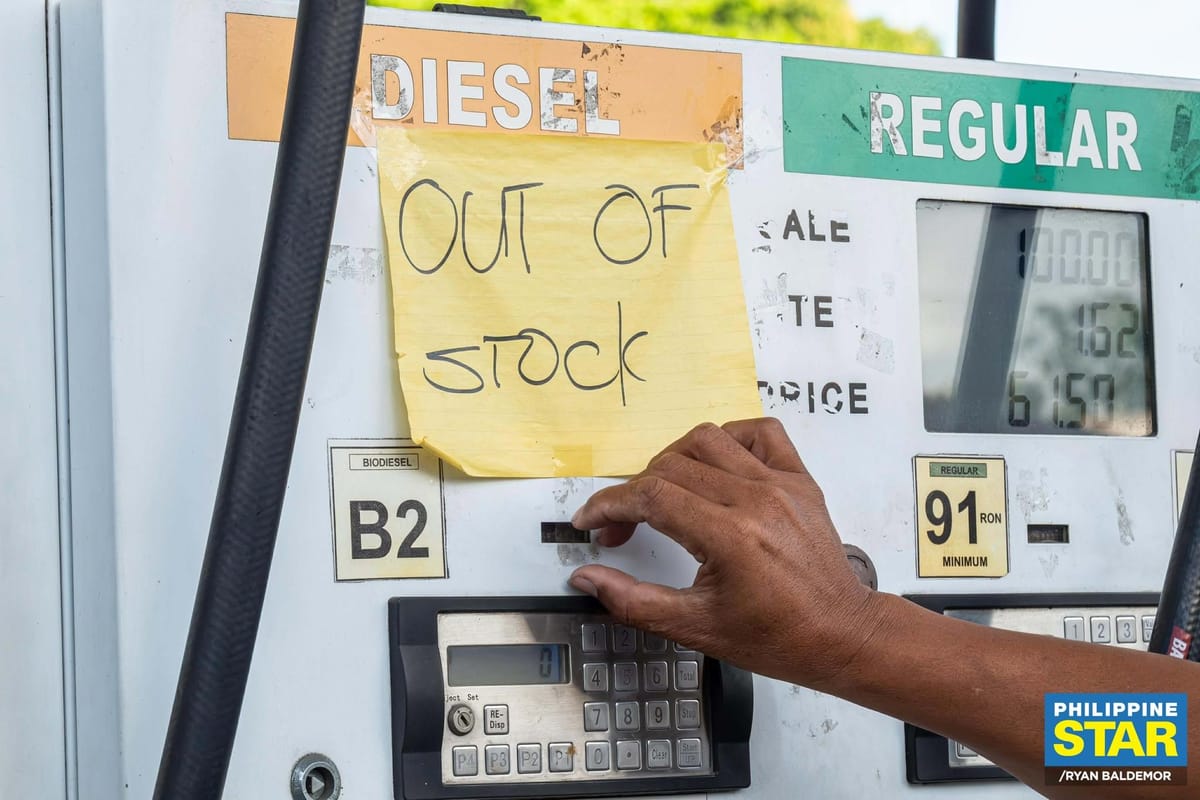
The stakes are high: if the excise tax is fully suspended, motorists could see P10 per liter slashed from unleaded gasoline prices and P6 per liter from diesel. That's significant relief considering oil firms are currently rolling out staggered double-digit hikes this week, with Shell's diesel set to rise up to P24.25 per liter and Petron's up to P19.20 per liter by week's end.
Malacañang confirmed that Marcos plans to certify the bill as urgent, allowing Congress to fast-track it by skipping the requirement for bill readings on separate days. With the Senate also signaling it will prioritize the measure, Filipinos may soon see at least some respite from the fuel price crisis sparked by the US-Iran conflict and the closure of the Strait of Hormuz.
Source: Philstar.com