
End of the Road: Philtranco, the Philippines' Oldest Bus Company, Shuts Down After 112 Years
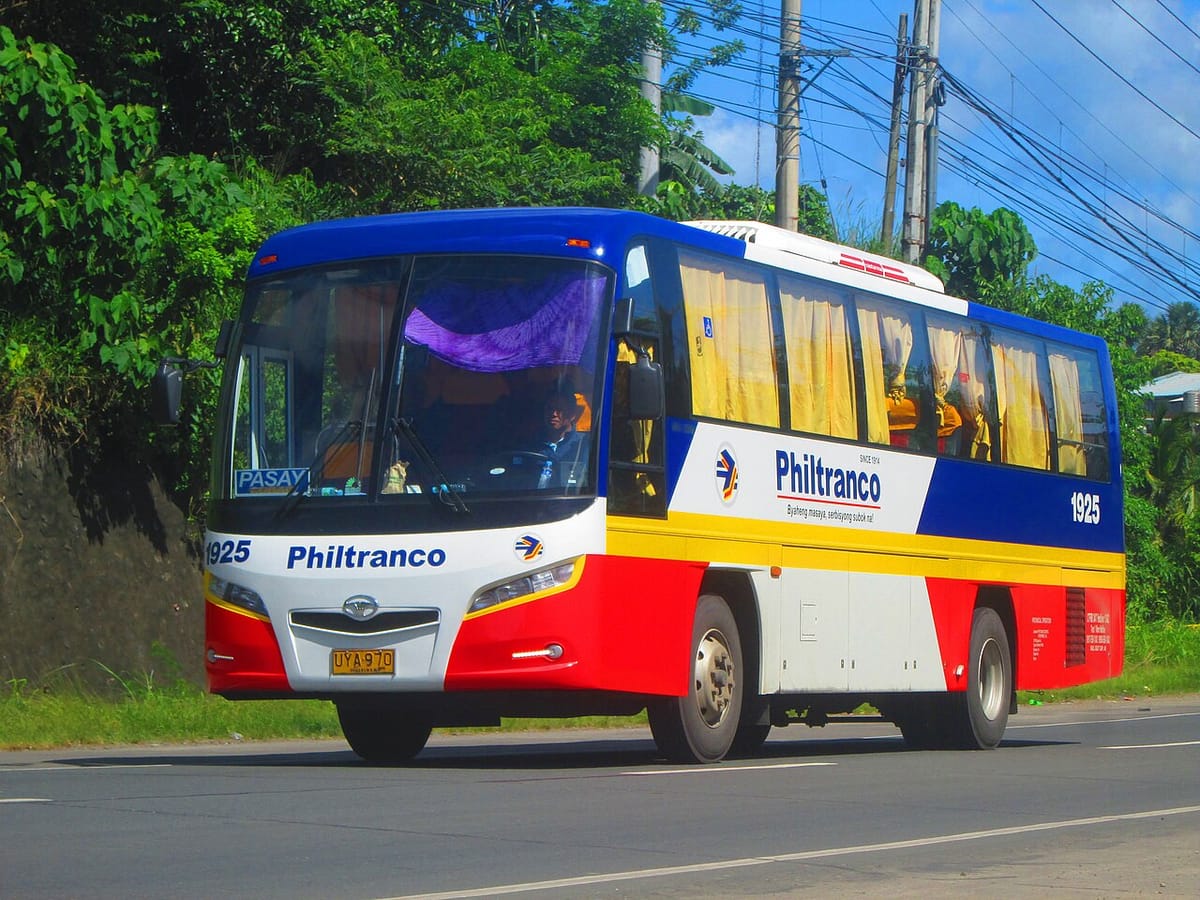
For generations of Filipinos, Philtranco was the bus you took when heading home to the province — the overnight ride from Pasay to Bicol, to Samar, to Leyte, to parts of Mindanao. On March 30, 2026, that era officially ends. Philtranco Service Enterprises Inc., the country's oldest bus operator founded in 1914, will permanently cease all operations after 112 years on the road.
In a memorandum dated February 2, company president and CEO Michael M. Sabban informed employees of the 'official business stop operation,' citing sustained and serious financial losses. The shutdown is a business decision by management — not a regulatory dissolution — though it marks a seismic shift in Philippine land transport that regulators will need to address.
The writing had been on the wall for years. Philtranco's once-expansive route network had been visibly shrinking, with intermittent route suspensions and scaled-down operations becoming the norm. The pandemic dealt a devastating blow to ridership starting in 2020, and the company never fully recovered. Rising fuel prices, mounting maintenance costs, and stricter compliance requirements under public transport modernization policies piled on the pressure.
The closure underscores the brutal economics facing legacy bus operators in the Philippines. While newer, more agile transport companies have adapted, old-guard carriers like Philtranco — with aging fleets and traditional operating models — have struggled to compete. The Land Transportation Franchising and Regulatory Board has not yet issued a formal advisory on passenger transitions, though other accredited operators can apply to take over affected routes.
For many Filipinos, especially those from the Visayas and Bicol, Philtranco wasn't just a bus line — it was a rite of passage, the smell of diesel and the hum of the highway engine on countless trips home. Its Pasay terminal was a landmark. Now, with less than a month before the final stop, commuters who depend on those provincial routes are left wondering what comes next.
Source: Asian Journal