DOE Orders All Large Solar and Wind Farms to Add Battery Storage — A Game-Changer for PH Renewable Energy
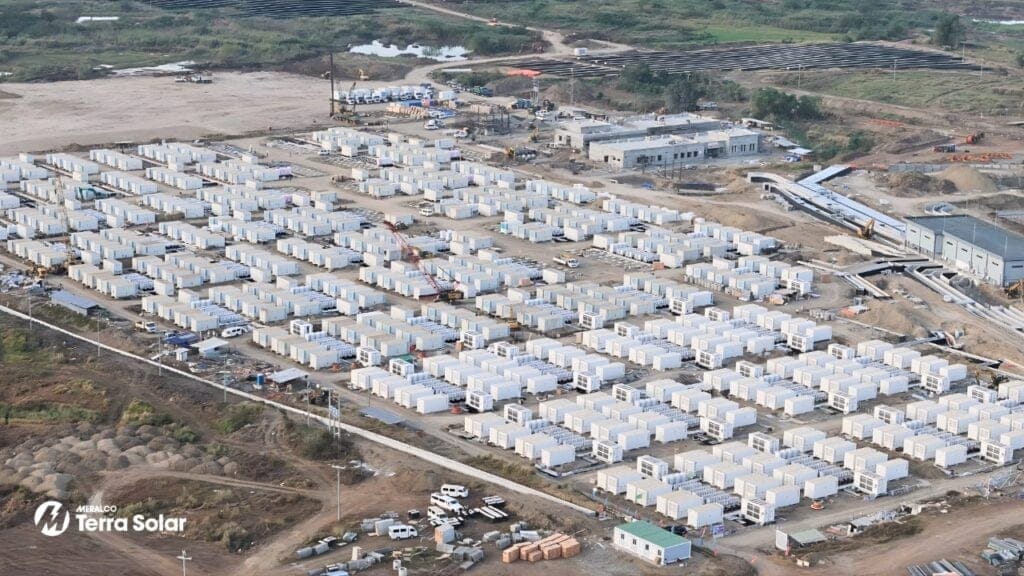
The Department of Energy has issued a landmark directive requiring all large-scale renewable energy developers in the Philippines to integrate energy storage systems into their facilities. The new framework is designed to support higher renewable energy penetration while maintaining grid reliability — a critical step toward the country's goal of 50% renewable energy by 2040.
'Energy storage is not only about storing surplus energy, it is about strengthening the grid's capability to absorb more renewables while maintaining reliability,' Energy Secretary Sharon Garin said. The directive specifically encourages the use of grid-forming inverter technology, which can provide system stability services like inertia that are typically delivered by fossil fuel plants.
Transmission and distribution companies have also been directed to factor energy storage into their grid reinforcement strategies. Studies and simulations will be conducted to develop uniform technical requirements for grid-support capabilities, taking into account the Philippine Grid Code and international standards.
The policy comes on the heels of the House of Representatives passing a national framework for the development, utilization, and commercialization of energy storage systems earlier this month. That legislation now needs to pass the Senate before it can be signed into law by President Marcos.
For Filipino consumers, the integration of battery storage into renewable energy installations could eventually mean more stable electricity prices and fewer brownouts — since stored solar and wind energy can be dispatched during peak demand or when the sun isn't shining and the wind isn't blowing. It's a significant step toward a cleaner, more reliable power grid for the Philippines.
Source: Energy Storage News / DOE