Aray sa Pump: Diesel Nears P150 as April 7 Fuel Hike Slams Motorists
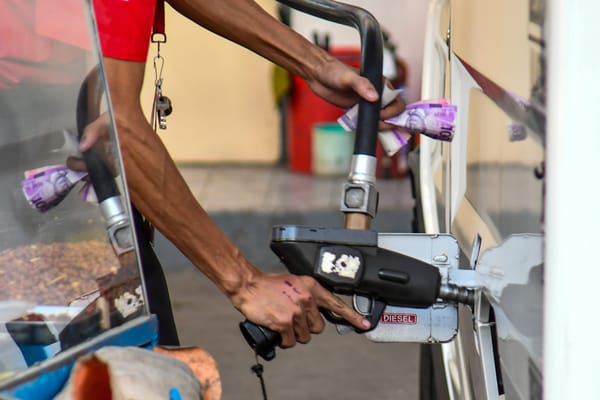
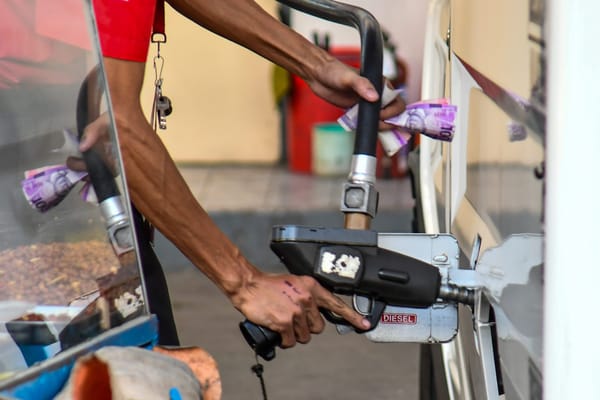
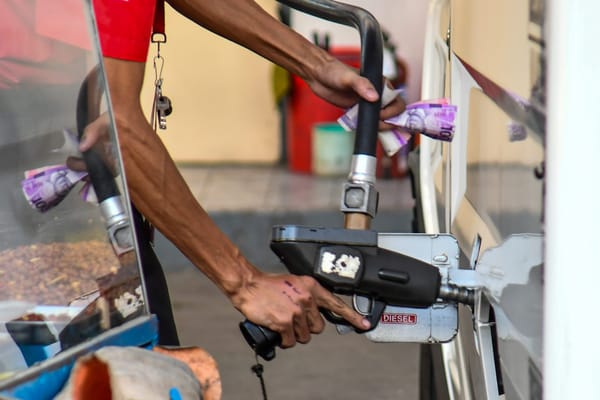
Fuel prices jumped again on April 7, with diesel up by as much as P19.80 per liter and gasoline climbing by up to P5.90.
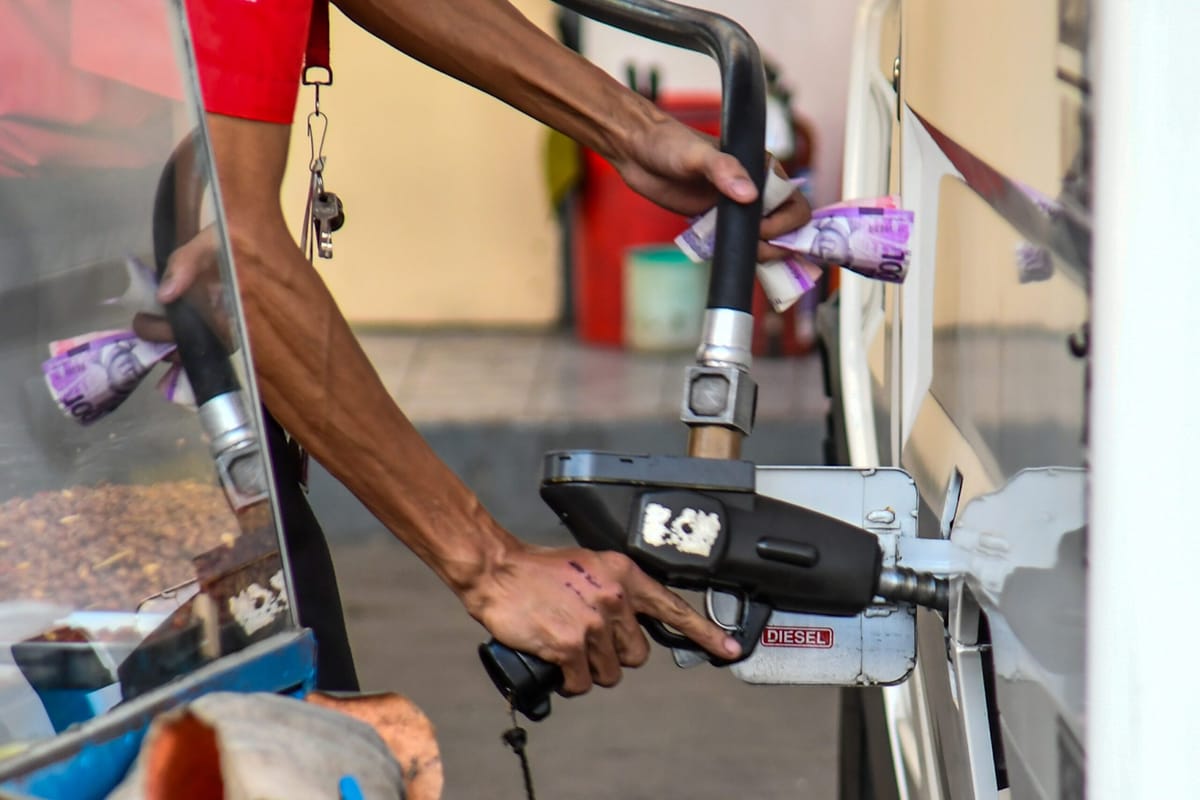
Motorists across the Philippines got hit with another painful round of fuel price increases on Tuesday, April 7, as oil companies rolled out steep adjustments that pushed diesel and gasoline prices even higher. The latest hike stands out because it lands on top of already elevated pump prices, adding more pressure on commuters, drivers, and households trying to manage daily costs.
Based on Rappler’s report, Petron raised diesel prices by P18.80 per liter, gasoline by P4.90 per liter, and kerosene by P8.10 per liter effective 6 a.m. Tuesday. Shell implemented an even sharper diesel increase of P19.80 per liter, along with a P5.90 per liter hike in gasoline and a P9.10 per liter increase in kerosene. SEAOIL also raised diesel by P17.95 per liter, gasoline by P4.90 per liter, and kerosene by P8.10 per liter.
Jetti Petroleum announced its own increase later in the week, with diesel prices set to go up by P18.60 per liter and gasoline by P5.40 per liter effective Friday, April 10. Rappler said this marks the 13th straight week of gasoline price increases and the 15th consecutive week of hikes for diesel and kerosene, showing how relentless the upward trend has become.
The report also noted that oil industry sources had warned diesel prices could climb to nearly P150 to P170 per liter this week, depending on the retailer. Department of Energy monitoring cited by Rappler showed regular diesel prices in Metro Manila had already been ranging from P110 to P150.30 per liter in the previous week, while gasoline prices were at P82.50 to P105.60 per liter before the latest increase took effect.
The continuing spike has been linked to ongoing disruption in global oil supply tied to conflict in the Middle East. For ordinary Filipinos, the impact is immediate: higher transport costs, pricier deliveries, and more strain on household budgets. If the trend continues, this fuel story could stay one of the biggest consumer pain points in the country in the days ahead.
Source: Rappler