
38 Lawmakers Back a Bill to Fix the Philippines' Messy Vape Tax System — Here's Why It Matters
The Philippines currently taxes nicotine salt e-liquids at ₱60.20 per milliliter — but freebase nicotine? Just ₱6.95. That massive gap has turned into a goldmine for illicit traders and tax evaders, and now 38 House members want to close it for good with House Bill 5207.
The bill aims to amend the National Internal Revenue Code to unify excise tax rates across all vapor products, eliminating the loophole that lets traders misreport nicotine salt products as cheaper freebase variants. According to the bill's authors, "illicit traders who exploit the regulatory gaps under Republic Act 11467 evaded millions of excise taxes" — money that should have gone to government coffers.
Economists support the move. Bienvenido Oplas Jr., president of Minimal Government Thinkers and fellow at the Tholos Foundation, outlined four benefits of unified taxation: streamlined administration, closure of loopholes, alignment with international standards, and consistency with the relative harm of vapor products. "Risk-proportionate taxation is to incentivize switching to less harmful products, for those who cannot quit smoking," Oplas said.
The Philippine E-cigarette Industry Association, through president Joey Dulay, added a nuance: excise taxes should target consumable components like e-liquids, not the devices themselves. This distinction matters because taxing hardware could push consumers toward cheaper, unregulated products — the exact opposite of what the bill intends.
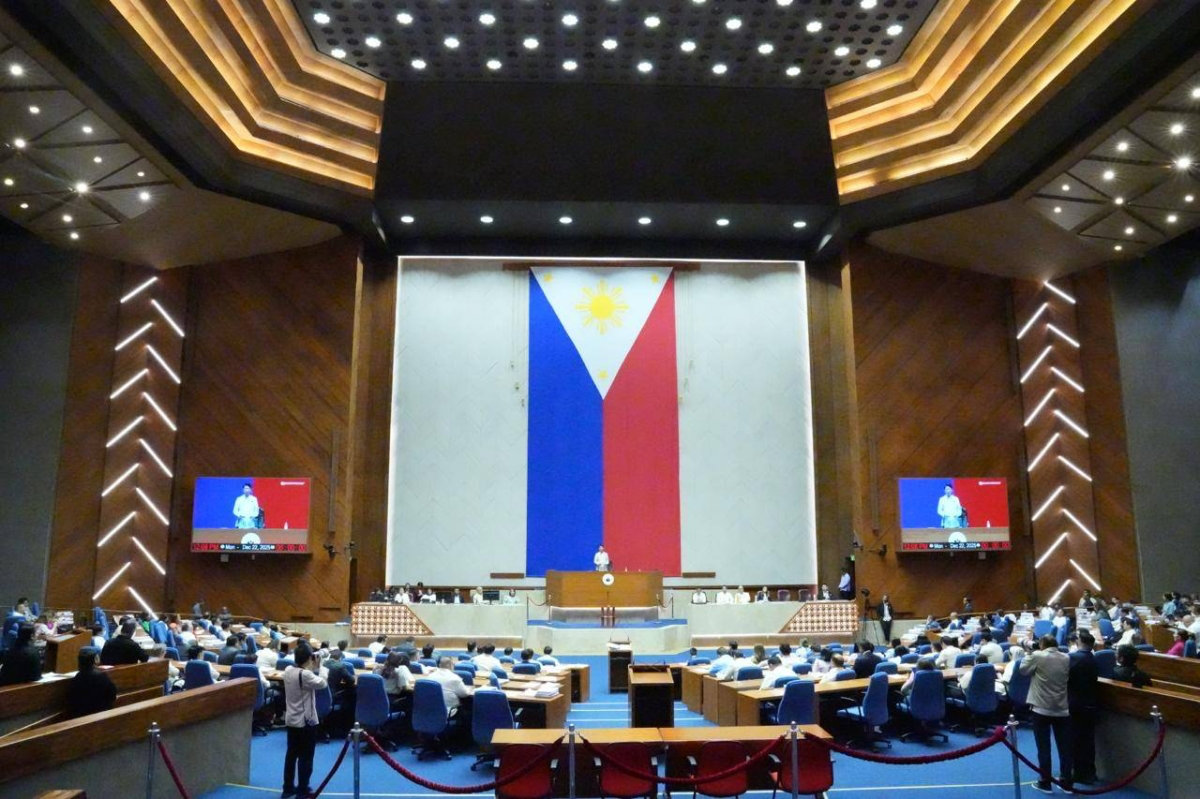
The bill enjoys broad support from lawmakers across regions, led by Deputy Speakers Kristine Singson-Meehan (Ilocos Sur) and Francisco Paolo Ortega V (La Union), along with representatives from Benguet, Pangasinan, Isabela, and Cagayan. With 38 sponsors already on board, HB 5207 has serious momentum — and could reshape how the Philippines handles its booming vape industry.
Source: The Manila Times